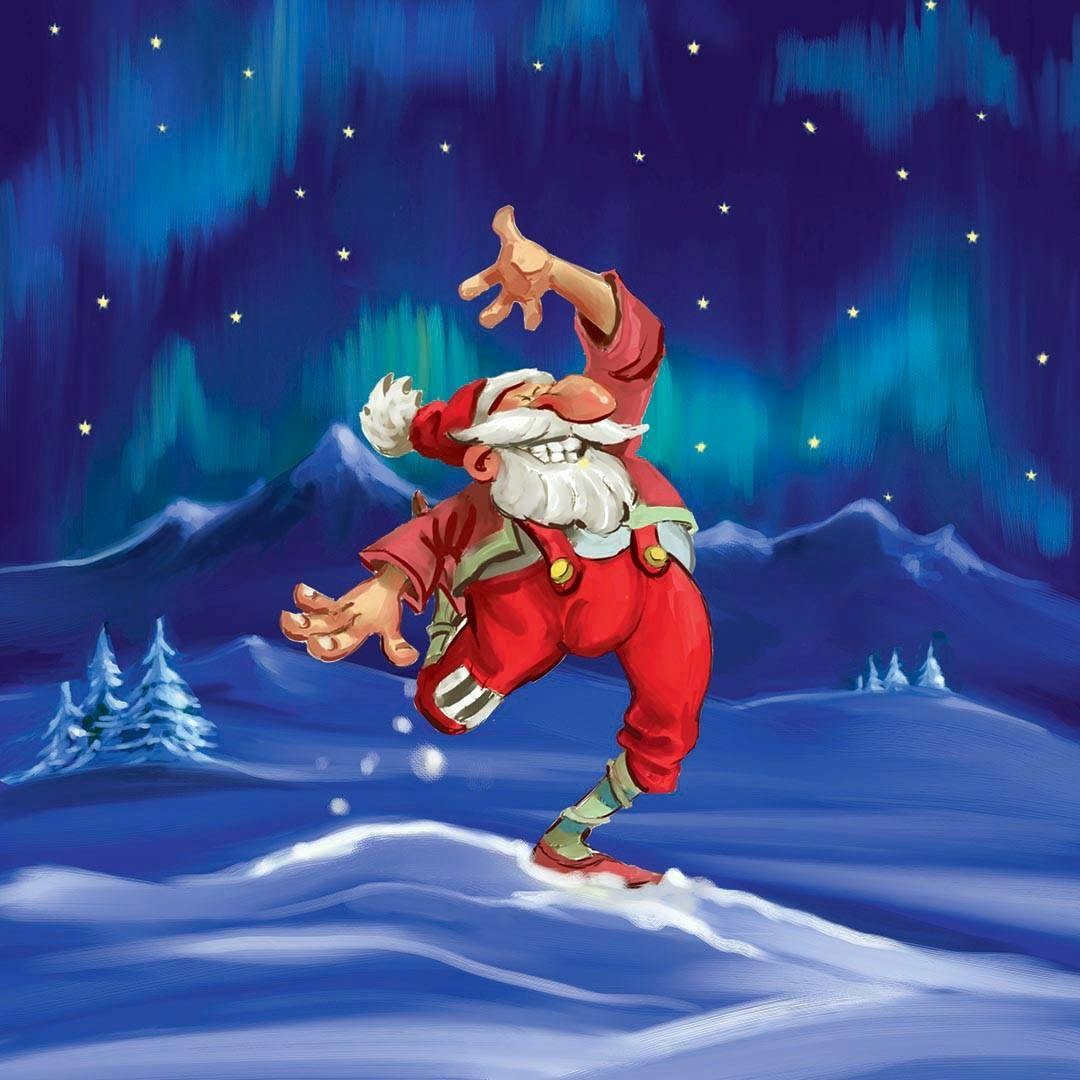
What do 13 Santas and a cat have to do with Icelandic Christmas traditions?
December—what a wonderful time of the year with so much to celebrate, regardless of where you're located. Christmas celebrations take place all over the world with a variety of traditions, historical events, folklore, and religious beliefs.
In Iceland, though, Christmas is definitely it's own thing.
While some parts of the globe boast the benefits of tropical temperatures, many others celebrate Christmas in the snow. Iceland is one of those places, and is even known for its snow and frigid temperatures. That's why the gifts of warm, wooly blankets are perfect for holiday sharing. (These Icelandic wool blankets are not only beautiful but practical as well, and often make a great decorative addition to your home décor. And, since they’re “one size fits all”, you can’t go wrong.) Wool sweaters are ideal gifts too, as they can be worn as an outer layer in calm winter weather or as a jacket while shoveling snow or when running those seemingly never-ending errands at Christmas time or any time of the year.
What are Icelandic Christmas traditions?
You won’t find many stereotypical “Hallmark moments” in Iceland, you will find Christmas trees, blankets of snow, gifts, and plenty of food...not to mention curious local folklore. Icelanders have a traditional folklore that makes this holiday event a real conversation point.
The Christmas season begins on December 11 and continues until January 6 each year. This 26-day period is the darkest time of the year in Iceland, but some of that lack of light is offset by the beautiful Christmas lights found everywhere, plus the soft blanket of snow that is generally on the ground, and (on a clear night) the Northern Lights. These ingredients create an ethereal beauty seen in few other places on the planet.
What do Icelanders eat for Christmas?
For Icelanders, Christmas begins at 6 PM on Christmas Eve, with some families gathering at church and other families waiting for their meal when the bell rings. An Icelandic Christmas often includes traditional smoked lamb, plus sides of peas, corn, cabbage, beans, gravy, jam, etc., and a thin-crusted and crispy decorated flatbread. You’ll also find a myriad of sweet treats gracing those Icelandic Christmas meal tables.
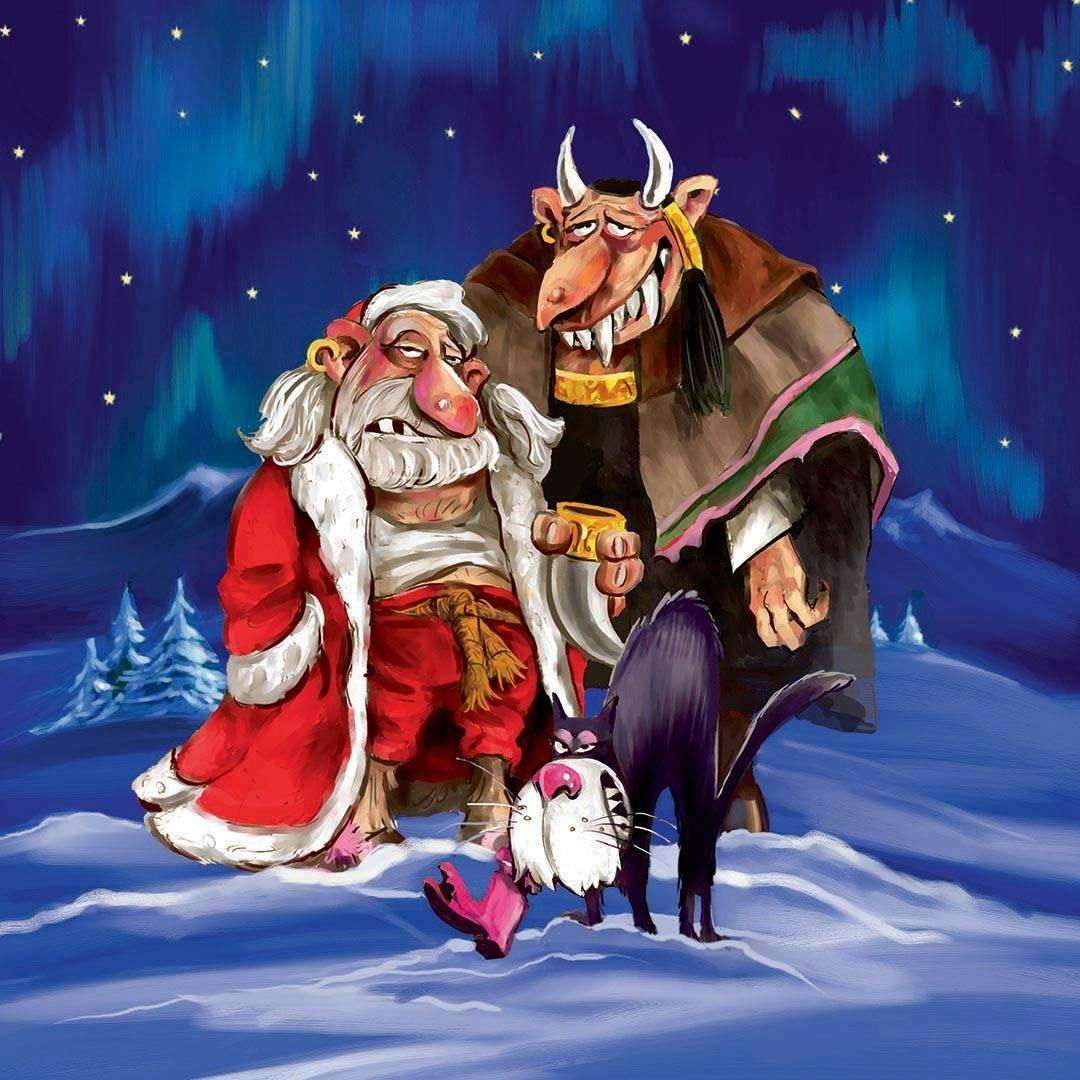
Gifts are generally opened on Christmas Eve around these meals and festivities. Some of the gifts popular in Iceland are books and warm clothing items and blankets. The gifts of warm clothing and blankets not only serve to be useful in this cold environment but also protect children from some of the antics of the Yule Cat found in their Christmas folk traditions. They even have a newer celebration around Christmas time: the ugly sweater party. This party involves eating yummy Icelandic treats and drinking non-alcoholic beverages, enjoying the community and, of course, the contest (usually with prizes) for the ugliest sweater.
Beautiful, warm and wooly sweaters, like those available through Icewear, are generally the dress code for other Christmas meals and celebrations. Icelanders are quite proud of the unique wool produced by Icelandic sheep. This wool is warm (with natural thermoregulation) and also light-weight and water repellent, making it perfect for any winter or cold-weather activity.
How many Santa Clauses are there in Iceland?
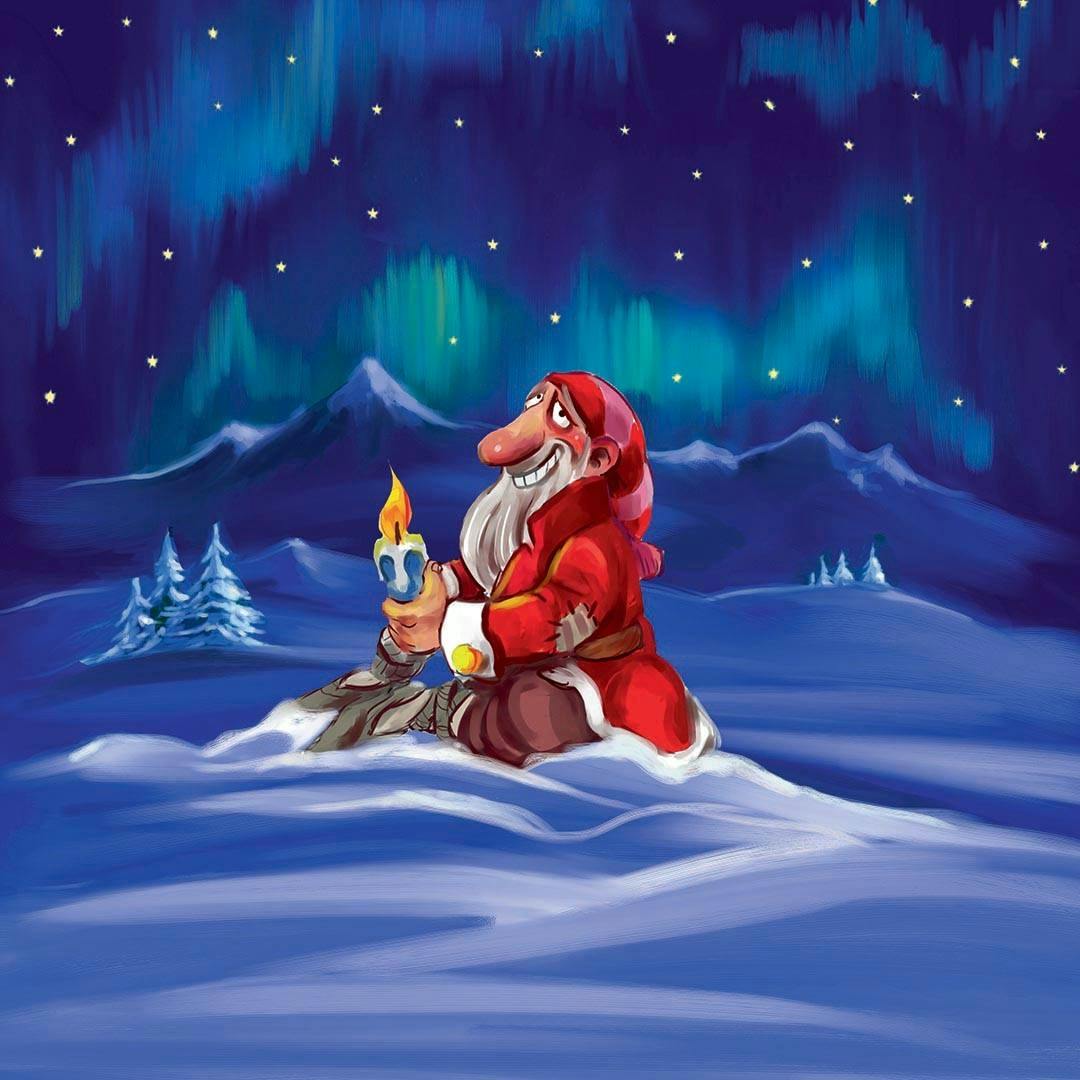
One of the most curious folklore traditions in Iceland is that of the 13 Yule Lads and the Yule Cat. The 13 Yule Lads are the gift givers instead of “Santa.” It is said that one of the lads visits the children each night for 13 nights. The children each place a shoe on the windowsill before they go to bed. The Yule Lad places a sweet treat into that shoe if the child has behaved well. For those children who haven’t behaved well, a potato is placed into the shoe as a reminder to behave. The folklore story goes on to describe some interesting mischievous activities of these 13 Yule Lads and their Yule Cat, too. You can find statues of these fun and mischievous Yule Lads here.
During Christmas in Iceland, you find the warmth of the season in their traditions as well as warmth and protection in their woolen clothing and blankets.
More blog posts

December 2025
Icewear Nominated as One of Iceland’s Leading Brands
Recognition from brandr highlights Icewear’s strategic brand approach celebrating Icelandic identity and product excellence.
Read more
January 2025
Iceland Population and the Celebration of Bóndadagur
The Icelandic holiday -Bóndadagur is a day devoted to celebrate and pamper your loving spouse. The traditions around this holiday have certainly changed since Norse settlers arrived to the country
Read more
January 2025
Winter Workout Essentials
In the northern hemisphere, the new year takes place in winter which means that when you start following your resolutions it will be in cold weather. Because of the weather, your body will react differently to how it would during warmer months.
Read more